

Sri Lanka is one of the most biodiverse countries in Asia relative to its size, with a land area of 65,610 square kilometres supporting over 90 species of mammals, 240 species of birds, 170 species of reptiles, and 100 species of amphibians. The island’s position at the southern tip of the Indian subcontinent, combined with its range of ecosystems from tropical rainforest and dry zone scrubland to highland grassland and coral reef, creates an exceptional variety of habitats that support wildlife found nowhere else on earth. Sri Lanka has the highest density of leopards of any country in Asia, the largest known congregation of Asian elephants in the world, and some of the most reliable blue whale sightings of any location on the planet. This guide covers the key wildlife experiences available to visitors, the best national parks and protected areas, and the optimal seasons for each encounter. To understand the best months for wildlife viewing, read our best time to visit Sri Lanka guide before planning your trip.
Sri Lankan Leopard
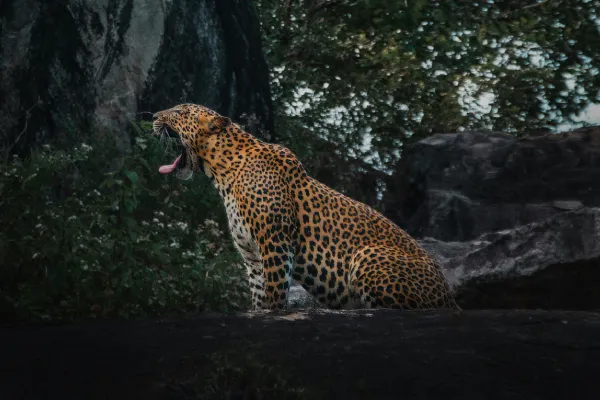
The Sri Lankan leopard (Panthera pardus kotiya) is a subspecies of leopard found only in Sri Lanka, listed as endangered on the IUCN Red List with an estimated wild population of 700 to 950 individuals. Sri Lankan leopards are larger and more heavily built than their Indian counterparts, with males reaching up to 77 kilograms. Unlike leopards in Africa and mainland Asia, where lions and tigers compete for dominance, the Sri Lankan leopard is the apex predator on the island and as a result is more visible and less secretive than leopards elsewhere in the world. Yala National Park Block 1 in the Southern Province has the highest recorded density of leopards of any protected area in the world, with an estimated 35 to 40 individuals resident in an area of approximately 140 square kilometres. Leopard sightings in Yala Block 1 are reported on approximately 70 to 80 percent of morning safari drives during the dry season between February and July. The leopards in Yala have become habituated to safari vehicles and can often be observed at close range resting in trees, on rocks, or walking along the track. Wilpattu National Park in the northwest, covering 1,317 square kilometres, is the largest national park in Sri Lanka and holds a significant leopard population in a less visited and more wilderness-like setting than Yala.
Sri Lankan Elephant
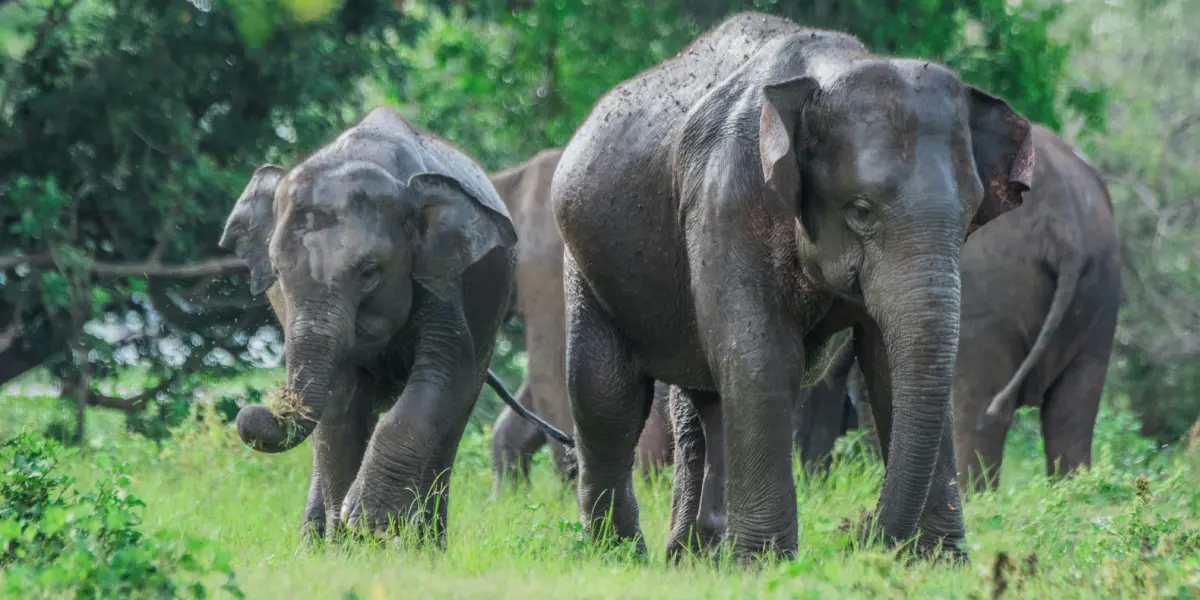
The Sri Lankan elephant (Elephas maximus maximus) is the largest of the three Asian elephant subspecies, with males reaching up to 5,400 kilograms and a shoulder height of 3.4 metres. Sri Lanka has the highest density of elephants of any range country in Asia, with an estimated wild population of 5,879 individuals according to the most recent census. Unlike African elephants where both males and females carry tusks, only a small proportion of male Sri Lankan elephants are tusked, with the majority of males being tuskless. Tusked males, called “tuskers,” are considered sacred in Sri Lankan Buddhist culture and are highly prized for ceremonial use.
Minneriya National Park in the North Central Province hosts “The Gathering,” one of the most spectacular wildlife events in Asia. Between July and October, as the Minneriya reservoir recedes during the dry season, hundreds of elephants from the surrounding forests converge on the exposed grasslands to graze and socialise. At peak periods between August and September, over 300 elephants have been recorded in a single sighting, making it the largest known temporary congregation of Asian elephants in the world. Our Paradise of Sri Lanka tour includes a Minneriya National Park safari and is best operated between July and October to coincide with The Gathering. Udawalawe National Park in the Southern Province is the most reliable location for elephant sightings year-round, with a resident population of approximately 700 elephants that remain visible throughout the year regardless of season. The Elephant Transit Home at Udawalawe, operated by the Department of Wildlife Conservation, rehabilitates orphaned elephant calves before releasing them back into the wild and is open to visitors at scheduled feeding times.
Blue Whale and Marine Wildlife
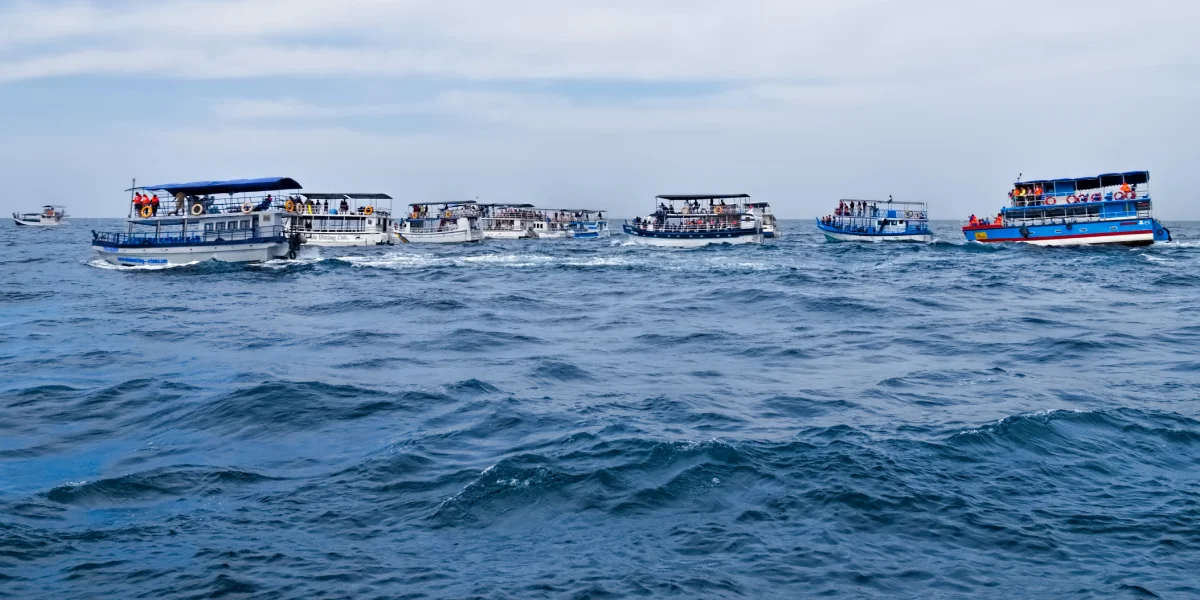
Sri Lanka is one of the top destinations in the world for blue whale watching, with the waters off the southern coast near Mirissa offering some of the most reliable and close-range blue whale sightings available anywhere on the planet. The blue whale (Balaenoptera musculus) is the largest animal ever to have lived on earth, with individuals reaching up to 30 metres in length and 180 tonnes in weight. The channel between Mirissa and Dondra Head, the southernmost point of Sri Lanka, sits directly on a deep-water migration route used by blue whales moving between the Bay of Bengal and the Arabian Sea, bringing the whales close to the coast between November and April. Our Classic Sri Lanka tour includes a whale watching excursion from Mirissa for guests travelling between November and April.
Whale watching excursions depart from Mirissa harbour at approximately 6:30am and spend 4 to 5 hours offshore in the Dondra Head channel. Blue whale sightings are reported on over 90 percent of excursions during the peak months of December to March. Sperm whales are also regularly encountered in the same channel, and pods of several hundred spinner dolphins are commonly seen during the return journey. Bryde’s whales and occasionally killer whales are also recorded in these waters. Pigeon Island National Park near Trincomalee on the east coast offers excellent snorkelling with blacktip reef sharks, sea turtles, and extensive coral reef in clear water between April and September.
Bird Watching in Sri Lanka
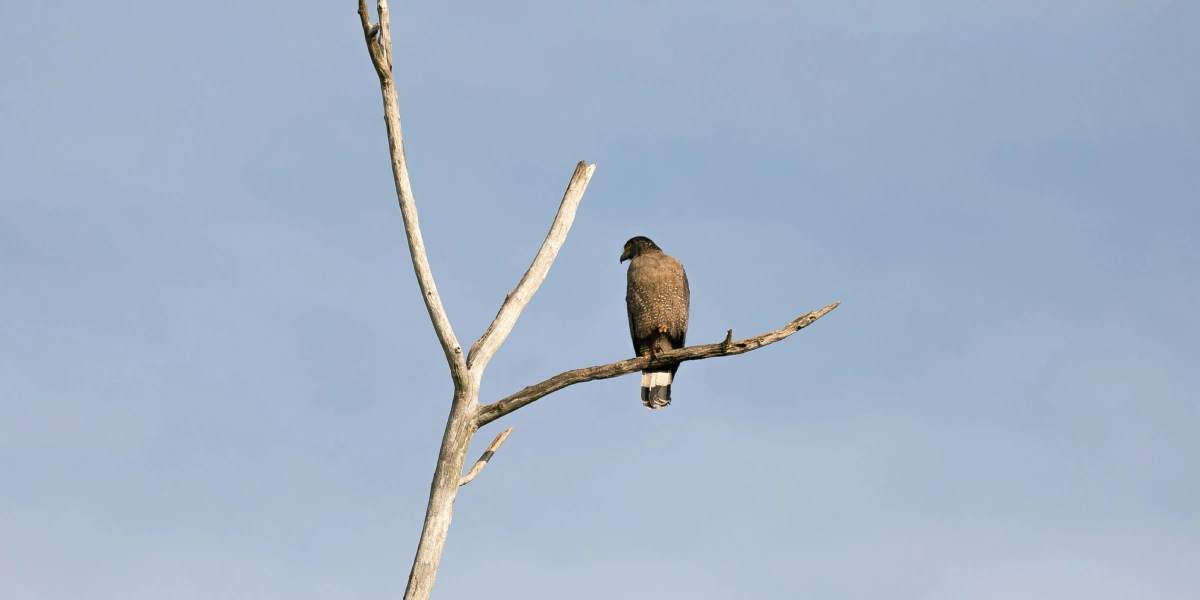
Sri Lanka has 240 recorded bird species of which 33 are endemic, meaning they are found nowhere else in the world. The density of endemic species relative to land area makes Sri Lanka one of the top bird watching destinations in Asia. Key endemic species sought by bird watchers include the Sri Lanka junglefowl (the national bird, found in forested areas throughout the island), the Sri Lanka blue magpie (found in the wet zone hill forests above 1,000 metres), the Sri Lanka whistling thrush (found in the Knuckles Mountain Range and central highlands), the Sri Lanka wood pigeon, the Sri Lanka spurfowl, the Sri Lanka hanging parrot, and the red-faced malkoha.
The best bird watching locations in Sri Lanka include Sinharaja Forest Reserve in the wet zone southwest, a UNESCO World Heritage Site and the last remaining large area of primary tropical rainforest in Sri Lanka, where mixed species feeding flocks containing up to 15 endemic species can be encountered on a single walk. Horton Plains National Park in the central highlands at 2,100 metres elevation is home to highland endemic species including the dull-blue flycatcher and the Sri Lanka bush warbler. The Bundala National Park wetlands on the southern coast attract large numbers of migratory wading birds between September and March including painted storks, great white pelicans, and greater flamingos.
Yala National Park
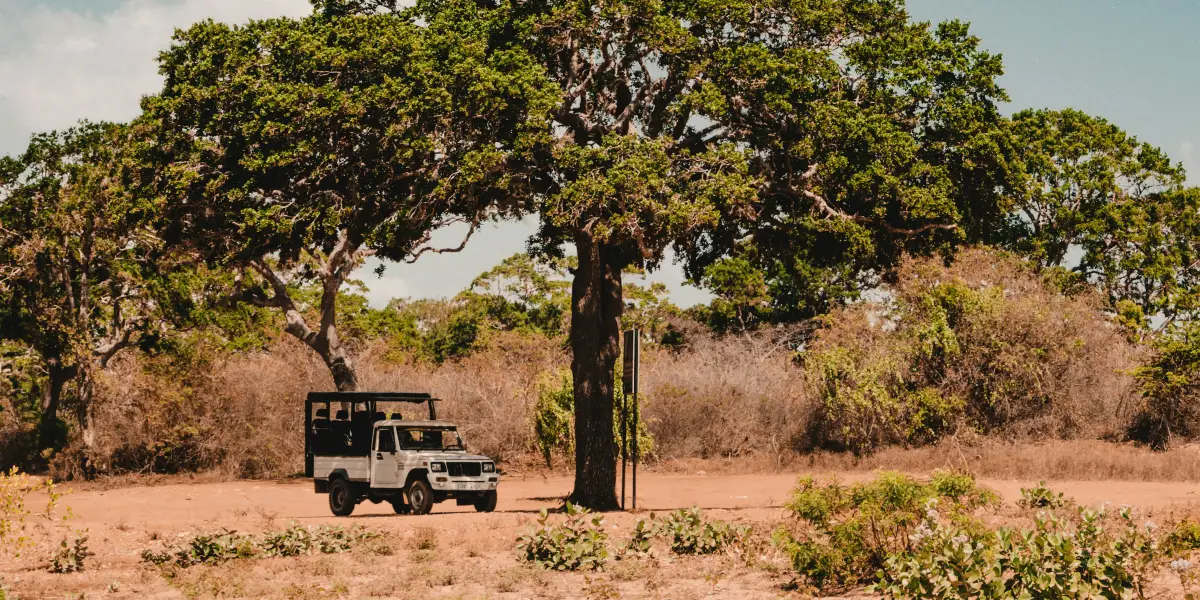
Yala National Park is the most visited national park in Sri Lanka and one of the most wildlife-rich protected areas in Asia. The park covers 979 square kilometres in the southeastern dry zone and is divided into five blocks, of which Block 1 is open to tourism. Block 1 covers 140 square kilometres of dry zone scrubland, grassland, lagoon, and rocky outcrops along the Indian Ocean coast. In addition to its famous leopard population, Yala Block 1 supports large populations of Sri Lankan elephants, sloth bears (Melursus ursinus inornatus), mugger crocodiles (Crocodylus palustris), water buffalo, spotted deer (axis deer), sambar deer, and wild boar. Over 215 bird species have been recorded in the park including the painted stork, lesser adjutant, Indian peafowl, Sri Lanka junglefowl, and black-necked stork. The park is open year-round except during its annual rest closure between September and October. Morning safaris departing at 6:00am and afternoon safaris departing at 2:00pm are the standard options, with morning safaris generally offering better wildlife activity as animals are most active in the cooler morning hours. Safari jeeps are hired at the park entrance and a naturalist guide is recommended for identification of the park’s wildlife.
Udawalawe National Park
Udawalawe National Park covers 30,821 hectares in the Southern Province, centred on the Udawalawe Reservoir built in 1968 to provide irrigation water for the dry zone agricultural lands downstream. The park was created specifically to provide a protected corridor for elephants displaced by the reservoir construction, and today supports one of the largest and most accessible elephant populations in Asia. Unlike Yala where elephants are one of many attractions, Udawalawe is almost exclusively focused on elephants, with the large open grassland and reservoir environment making sightings almost guaranteed on every safari. The park also holds populations of Sri Lankan water buffalo, mugger crocodiles, sambar deer, and several species of eagle and stork. The Elephant Transit Home adjacent to the park feeds orphaned elephant calves at 9:00am, 12:00pm, 3:00pm, and 6:00pm daily and is one of the most photographed wildlife experiences in Sri Lanka.
Wilpattu National Park
Wilpattu National Park in the Northwest Province is the largest national park in Sri Lanka at 1,317 square kilometres and one of the least visited despite holding significant populations of leopards, elephants, sloth bears, and water buffalo. The park’s landscape is dominated by “villus,” natural circular lakes formed in depressions in the flat sandy terrain, which attract concentrations of wildlife during the dry season. Wilpattu was closed for 26 years during the civil conflict and only reopened to visitors in 2010, giving the wildlife populations a long undisturbed recovery period. The park is best visited between February and October when rainfall is lower and the villus attract wildlife to open ground. The relative lack of visitors compared to Yala creates a more authentic wilderness experience, with fewer safari vehicles and longer uninterrupted wildlife sightings.
Reptiles and Other Wildlife
Sri Lanka’s reptile diversity is exceptional, with 170 species including 50 endemic species. The mugger crocodile is commonly seen basking on the banks of lakes and rivers in national parks throughout the dry zone, particularly at Yala and Bundala. The saltwater crocodile (Crocodylus porosus), the largest living reptile, is present in coastal lagoons and estuaries in the north and east of the island. Monitor lizards (Varanus salvator) reaching up to 1.5 metres in length are ubiquitous throughout the island including in urban areas such as Colombo’s Viharamahadevi Park and along the shores of Kandy Lake near the Cultural Triangle. Five species of sea turtle nest on Sri Lankan beaches including the leatherback, green, hawksbill, olive ridley, and loggerhead, with nesting season peaking between October and April on the southwest coast. The Sri Lanka star tortoise (Geochelone elegans) is found in the dry zone forests of the north and east. Purple-faced langur monkeys and toque macaques are found throughout the island including in temple complexes such as Anuradhapura where troops of macaques live among the ancient ruins.
Planning Your Sri Lanka Wildlife Safari
The best wildlife experiences in Sri Lanka require careful timing, the right national park for your target species, and an experienced guide who knows the park well. Tira Travels includes wildlife safaris in several tour packages with experienced local naturalist guides. Browse our Sri Lanka tour packages to find an itinerary that combines the island’s wildlife highlights with its cultural and scenic attractions.
Photo credits – Photo file – Dan Lundberg, CC BY-SA 2.0 <https://creativecommons.org/licenses/by-sa/2.0>, via Wikimedia Commons
0 Comment