
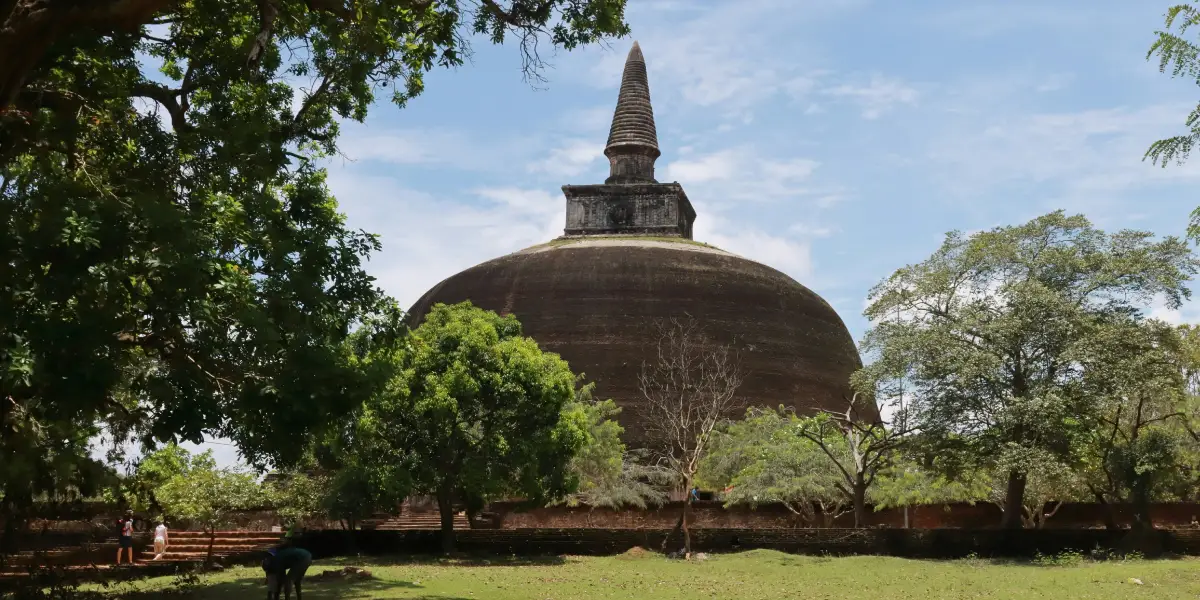

Sri Lanka is one of the most visitor-friendly destinations in Asia, with a well-developed tourism infrastructure, English widely spoken in tourist areas, and a culture of genuine hospitality toward international guests. However, like any international destination, Sri Lanka has practical considerations that every visitor should understand before arrival from currency and health precautions to temple etiquette and tipping culture. This guide covers everything you need to know to travel confidently in Sri Lanka. For entry requirements and visa information, read our Sri Lanka visa guide before planning your trip.
Sri Lankan Currency and Money
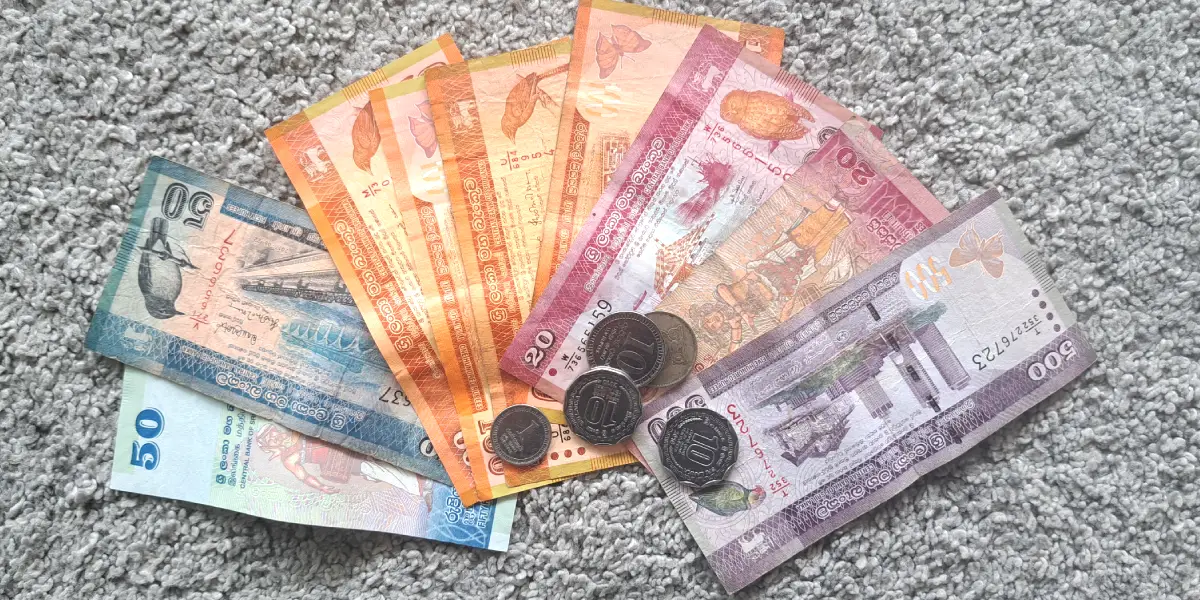
The official currency of Sri Lanka is the Sri Lankan Rupee (LKR). As of 2026, the approximate exchange rates are 300 to 320 LKR to 1 USD, 340 to 360 LKR to 1 EUR, and 28 to 30 LKR to 1 Indian Rupee, though rates fluctuate daily. ATMs are widely available in Colombo, Kandy, Galle, and all major tourist destinations, and accept Visa, Mastercard, and Maestro cards. Most hotels, restaurants, and larger shops in tourist areas accept credit and debit cards, but smaller guesthouses, local markets, tuk-tuk drivers, and entrance fees to minor attractions require cash. It is advisable to carry a mix of large and small denomination notes 100, 500, and 1,000 LKR notes are the most practical for daily use. Currency exchange is available at Bandaranaike International Airport on arrival, at licensed money changers in tourist areas, and at commercial banks. The airport exchange rate is generally less favourable than rates available in town, so exchanging only enough for immediate transport needs on arrival and exchanging the remainder in town is the most cost-effective approach. Keep exchange receipts as some hotels require proof of legal currency exchange.
Health and Vaccinations
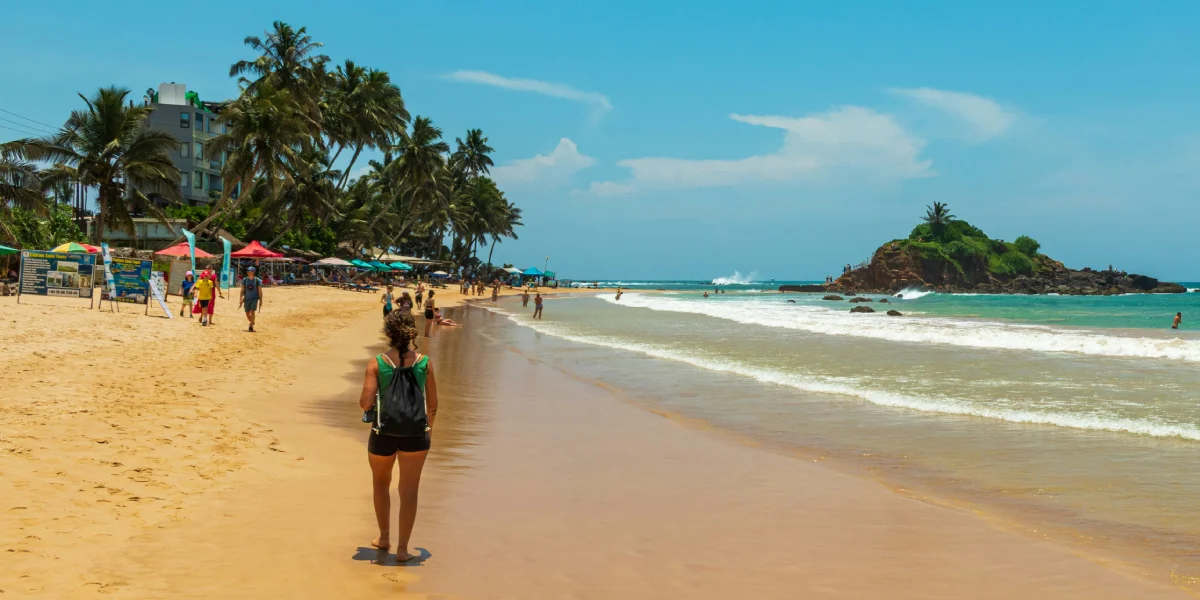
Sri Lanka does not require any mandatory vaccinations for entry, but several vaccinations are recommended by international health authorities for travellers. Hepatitis A and typhoid vaccinations are recommended for all travellers as these diseases can be contracted through contaminated food and water. Hepatitis B vaccination is recommended for travellers planning longer stays or those who may require medical treatment during their visit. Tetanus and diphtheria boosters should be current. Japanese encephalitis vaccination is recommended for travellers spending extended time in rural areas, particularly during the monsoon season when mosquito activity is highest. Rabies vaccination is recommended for travellers planning outdoor activities in remote areas where contact with animals is possible.
Dengue fever is present in Sri Lanka year-round and is transmitted by the Aedes mosquito, which bites primarily during daylight hours. Using insect repellent containing at least 20 percent DEET on all exposed skin during the day is the primary protection against dengue. Wearing long-sleeved clothing and long trousers during dawn and dusk reduces exposure. There is no vaccine or specific treatment for dengue prevention through mosquito avoidance is the only protection. Malaria risk in Sri Lanka is low in tourist areas and has been largely eliminated from the main travel destinations, but some risk remains in remote northern and eastern districts. Consult a travel medicine clinic at least 4 to 6 weeks before departure for personalised vaccination and medication recommendations based on your specific itinerary.
Water and Food Safety
Tap water in Sri Lanka is not safe to drink for international visitors whose digestive systems are not accustomed to local water sources. Bottled water is inexpensive and widely available throughout the island 1.5-litre bottles cost approximately 80 to 150 LKR at local shops. All reputable hotels and guesthouses provide sealed bottled water for drinking. Ice in hotels and restaurants frequented by tourists is generally made from filtered water, but ice from street vendors and local markets should be avoided. Fruit and vegetables that have been washed in tap water and served unpeeled can cause stomach issues eating only peeled fruit or fruit and vegetables served in established restaurants reduces this risk. Sri Lankan food is generally safe to eat when freshly prepared and served hot. Street food is popular and generally safe when eaten from busy stalls with high turnover, as fresh preparation reduces bacterial contamination risk.
Sun Protection and Heat
Sri Lanka is a tropical country located between 6 and 10 degrees north of the equator, and the UV index is extremely high year-round, particularly between 10am and 3pm. Sunburn can occur within 15 to 20 minutes of unprotected sun exposure during peak hours. Sunscreen with SPF 50 or higher should be applied to all exposed skin before going outdoors and reapplied every 2 hours. Sunscreen is available in Sri Lanka but is significantly more expensive than in Europe or Australia, so bringing an adequate supply from home is recommended. A wide-brimmed hat and UV-protective sunglasses are essential for outdoor sightseeing. Climbing Sigiriya Rock Fortress takes 1.5 to 2 hours with no shade on the upper section carrying at least 1.5 litres of water and starting the climb before 8am reduces heat exposure significantly. Heat exhaustion and heat stroke are real risks for visitors unaccustomed to tropical heat, particularly during physical activities. Staying hydrated with at least 2 to 3 litres of water daily is essential.
Temple Etiquette and Dress Code
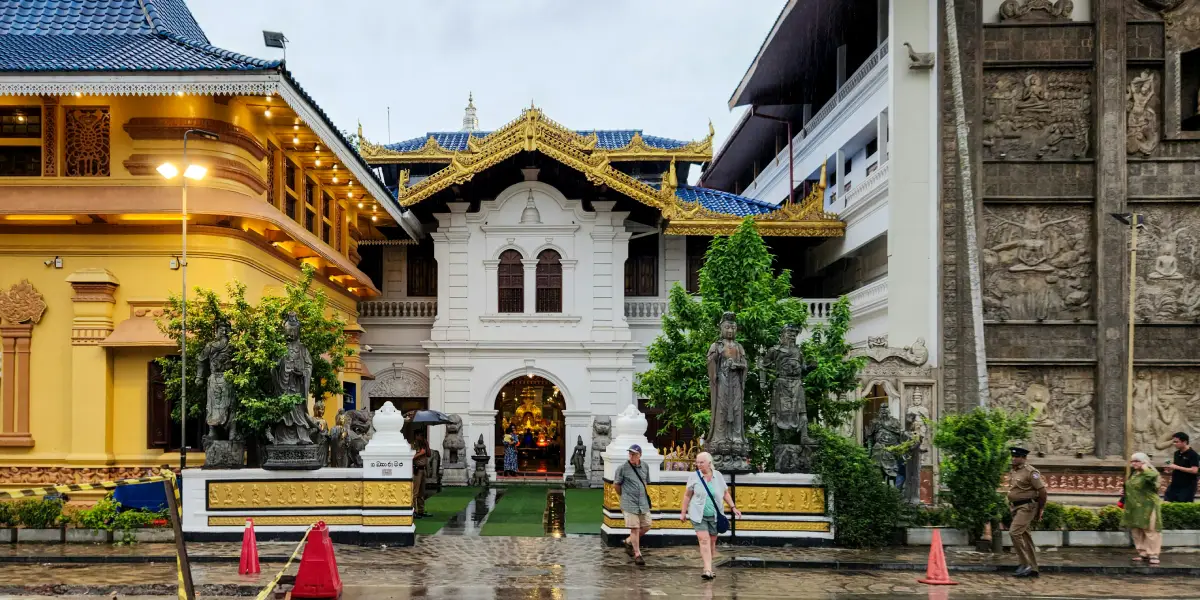
Sri Lanka has hundreds of active Buddhist temples, Hindu kovils, mosques, and churches that welcome visitors. Respecting the dress code and behavioural expectations at religious sites is both a cultural courtesy and a practical requirement many sites will refuse entry to visitors who are not appropriately dressed. The standard dress code for Buddhist temples and Hindu shrines requires shoulders to be covered, knees to be covered, and shoes and socks to be removed before entering the temple premises. Loose-fitting trousers or a sarong are more practical than shorts for temple visits, particularly at sites like the Temple of the Tooth Relic in Kandy where the dress code is strictly enforced. White clothing is considered respectful at Buddhist temples and is worn by Sri Lankan pilgrims visitors wearing white are generally welcomed with additional warmth by local worshippers.
At the sacred city of Anuradhapura, the dress code is enforced throughout the entire sacred zone, not just inside individual temples. Shorts, sleeveless tops, and revealing clothing are not permitted anywhere within the archaeological area. Sarongs are available for hire at the entrance to most major temples for visitors who arrive inappropriately dressed, typically for a small fee of 100 to 200 LKR. Photography is permitted in most areas of Buddhist temples but is not allowed during active religious ceremonies. Always ask permission before photographing monks or worshippers. Never turn your back to a Buddha statue for photographs this is considered disrespectful.
Tipping Culture in Sri Lanka
Tipping is customary in Sri Lanka but not compulsory. The following guidelines reflect standard practice in the tourism industry. For tour guides, a tip of $5 to $10 USD per person per day is the standard expectation for a full-day private guided tour. For drivers providing airport transfers or day trips, $3 to $5 USD per day is appropriate. For hotel staff including porters, bellboys, and housekeeping, 200 to 500 LKR per service is standard. For restaurant meals, a tip of 10 percent of the bill is customary in establishments frequented by tourists, though many restaurants add a service charge of 10 percent automatically check the bill before adding an additional tip. For tuk-tuk drivers, rounding up the fare to the nearest 100 LKR is common practice. Tips should be given in cash directly to the individual rather than added to a card payment, as cash tips are more reliably received by the intended recipient.
SIM Cards and Internet Access
Sri Lanka has good mobile network coverage in all major tourist destinations and reasonable coverage in most rural areas, with gaps in remote hill country and jungle zones. The three main mobile operators are Dialog, Mobitel, and Hutch. Dialog has the most extensive coverage and fastest data speeds in tourist areas and is the recommended choice for visitors. Tourist SIM cards are available at Bandaranaike International Airport immediately after clearing customs, and at Dialog, Mobitel, and Hutch retail stores in all major towns. A tourist SIM card with 5GB to 10GB of data costs approximately 500 to 1,500 LKR depending on the package. A passport is required to register the SIM card at the point of purchase. WiFi is available in most hotels, guesthouses, cafes, and restaurants in tourist areas, with speeds varying significantly between establishments.
Electricity and Power Adapters
Sri Lanka uses Type D and Type G electrical plugs, operating at 230 volts and 50 Hz. Type D is a three-round-pin plug used in India and Sri Lanka. Type G is the rectangular three-pin plug used in the United Kingdom. Visitors from Europe (Type C/E/F plugs), the United States and Canada (Type A/B), and Australia and New Zealand (Type I) will require a universal travel adapter. Most modern laptops, phone chargers, and camera chargers are dual-voltage (100 to 240V) and will operate safely with only a plug adapter rather than a voltage converter. Check the voltage specification on your device’s charger before use. Power cuts (locally called load shedding) can occur in Sri Lanka, particularly during peak demand periods. Hotels and guesthouses generally have backup generators for essential services, but carrying a portable power bank for charging mobile devices during travel is advisable.
Safety in Sri Lanka
Sri Lanka is generally a safe destination for international tourists. Violent crime against tourists is rare and the country has a stable political environment following the economic and political difficulties of 2022. Petty theft including pickpocketing and bag snatching occurs in crowded areas such as Colombo’s Pettah market, busy bus terminals, and popular tourist sites. Standard precautions apply: carry only the cash you need for the day, use a money belt for passports and larger amounts of cash, and keep bags in front of you in crowded spaces. Gem scams and overpriced handicraft shops targeting tourists are common in Kandy and Colombo be cautious of unsolicited approaches from strangers offering to take you to “special” shops or gem dealers. Ocean swimming safety requires caution on the west and south coasts during the southwest monsoon (May to September) when rip currents and large swells make many beaches dangerous. Always swim at beaches with lifeguards present and observe flag warning systems. The beaches around Galle and Unawatuna are generally safer for swimming than open exposed beaches during the monsoon season.
Language and Communication
Sri Lanka has three official languages: Sinhala, Tamil, and English. English is widely spoken in tourist areas, hotels, restaurants, and by most tour guides and drivers working in the tourism industry. In rural areas and local markets, English proficiency is lower but basic communication for shopping and transport is generally possible. Learning a few basic Sinhala words is appreciated by local people. Ayubowan (pronounced “ah-you-bo-wan”) is the traditional Sinhala greeting meaning “may you live long” and is used for both hello and goodbye. Istuti (pronounced “is-too-tee”) means thank you. Using these basic phrases creates a positive impression and often results in warmer interactions with local people.
Responsible Travel in Sri Lanka
Sri Lanka’s natural environment and cultural heritage are under significant pressure from tourism. Several practices help minimise the negative impact of your visit. Avoid elephant riding at any facility in Sri Lanka — captive elephant riding operations cause significant physical and psychological harm to the animals regardless of how they are marketed. The Pinnawala Elephant Orphanage and the Millennium Elephant Foundation near Kandy offer more ethical elephant encounters. Avoid purchasing products made from coral, turtle shells, or wild animal parts, as these contribute to the destruction of Sri Lanka’s marine and wildlife ecosystems. Use reef-safe sunscreen when snorkelling or swimming near coral reefs to avoid contributing to coral bleaching. Support locally owned guesthouses, restaurants, and tour operators rather than international chains, as local businesses return a higher proportion of tourism revenue to Sri Lankan communities.
Planning Your Sri Lanka Trip
Now that you have the practical essentials covered, the next step is choosing when to go and how to get around. Read our guide on the best time to visit Sri Lanka to match your travel dates with the optimal conditions for your chosen destinations, and our getting around Sri Lanka guide for transport options between destinations. When you are ready to start planning your itinerary, browse our Sri Lanka tour packages or contact our team to build a tailor-made holiday around your specific dates and interests.
0 Comment