
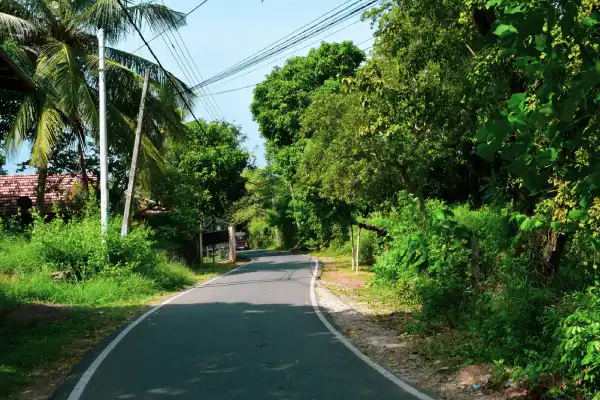

Sri Lanka is a compact island measuring 435 kilometres from north to south and 225 kilometres from east to west, making it possible to travel between most major destinations in a single day by road or rail. The island has a well-developed transport network covering trains, buses, private vehicles, tuk-tuks, and limited domestic flights. Understanding the transport options available for each route is essential for planning a smooth itinerary, as journey times vary significantly depending on the mode of transport and the condition of the roads. This guide covers every transport option available to international visitors in Sri Lanka, with practical details on routes, costs, booking methods, and journey times. Browse our Sri Lanka tour packages if you prefer to leave the logistics to an experienced local team.
Train Travel in Sri Lanka
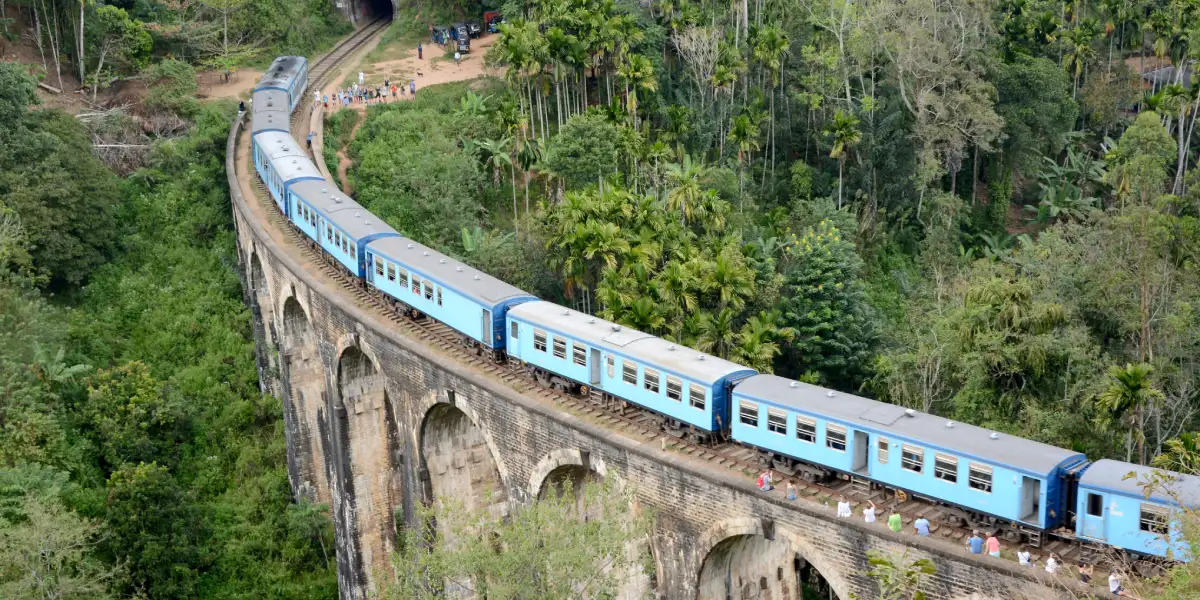
The Sri Lanka Railways network covers the main travel corridor from Colombo through the hill country to Kandy, Nuwara Eliya, Ella, and Badulla, making the train the most scenic and practical transport option for hill country travel. The Kandy to Ella train journey on the Badulla line is consistently ranked among the most beautiful train journeys in Asia, passing through tea estates, cloud forest, and mountain villages over approximately 6 to 7 hours. The line drops from 500 metres at Kandy to 1,868 metres at Nanu Oya (for Nuwara Eliya) before descending to 1,041 metres at Ella.
Sri Lanka Railways operates three classes of travel. First class air-conditioned observation carriages are available on ExpoRail and Rajadhani Express services and must be booked in advance through the Sri Lanka Railways website at railway.gov.lk or through the ExpoRail booking system. These carriages have numbered seats, air conditioning, and large windows offering unobstructed views. Second class reserved seats are bookable in advance and offer a comfortable journey with assigned seating. Third class unreserved seats operate on a first-come first-served basis and can be crowded on popular routes during peak season.
Key train routes for international visitors include the following. Colombo Fort to Kandy on the Main Line takes approximately 2.5 to 3.5 hours with multiple daily services. Kandy to Nanu Oya (Nuwara Eliya) takes approximately 3 hours. Nanu Oya to Ella takes approximately 3 to 3.5 hours. Kandy to Ella takes approximately 6 to 7 hours on the full hill country route. Colombo Fort to Galle on the Coastal Line takes approximately 2 to 2.5 hours. Colombo Fort to Anuradhapura on the Northern Main Line takes approximately 3.5 to 4.5 hours.
Train tickets for first and second class reserved seats should be booked at least 2 to 3 weeks in advance during the peak season of December to April, as observation carriage seats on the Kandy to Ella route sell out quickly. Third class tickets can be purchased at the station on the day of travel. The Sri Lanka Railways website and the 12Go Asia platform both offer online booking for reserved seats.
Private Car and Driver
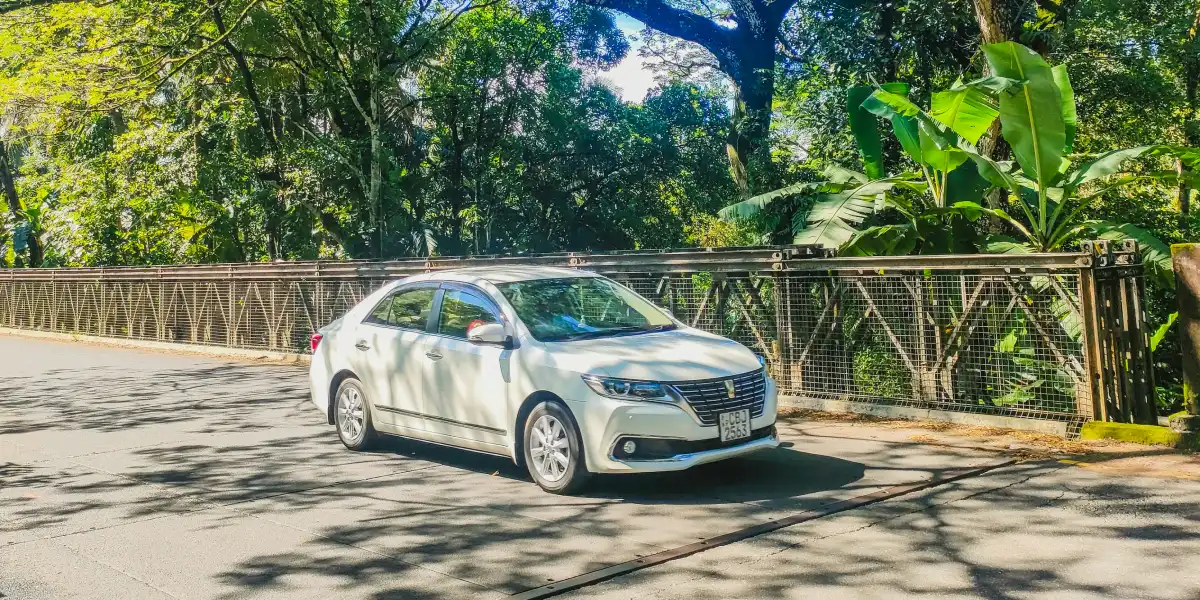
Hiring a private car with a driver is the most flexible and comfortable way to travel around Sri Lanka for international visitors, and is the transport method used in all Tira Travels tour packages. A private driver provides door-to-door transfers between any destinations on the island, with the flexibility to stop at viewpoints, markets, or attractions along the route at any time. Journey times by private car are generally shorter than by train or bus, with the exception of the hill country route where the train is faster and more scenic than the winding mountain roads.
Private car hire with a driver in Sri Lanka is typically charged on a daily rate or per-kilometre rate depending on the operator. Daily rates for a private air-conditioned vehicle with an English-speaking driver range from approximately $50 to $80 per day depending on the vehicle type and the distance covered. For longer trips covering multiple destinations over several days, a fixed package rate is generally more cost-effective than a daily rate. All Tira Travels tour packages include a private air-conditioned vehicle with a licensed driver for the full duration of the tour.
Key road journey times from Colombo include the following. Colombo to Kandy takes approximately 2.5 to 3.5 hours via the A1 highway or 2 hours via the expressway. Colombo to Sigiriya takes approximately 4 hours via the A9 highway through Dambulla. Colombo to Galle takes approximately 1.5 hours via the Southern Expressway. Colombo to Anuradhapura takes approximately 3.5 to 4 hours via the A9 highway. Kandy to Ella takes approximately 3.5 to 4 hours by road via Nuwara Eliya.
Tuk-Tuks
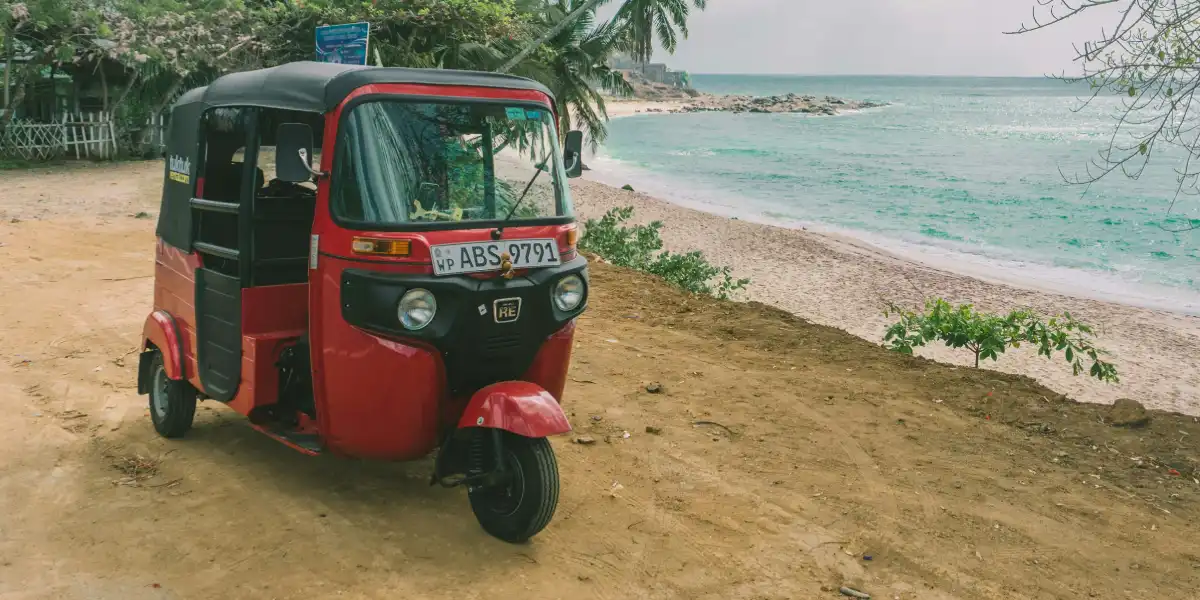
Tuk-tuks (three-wheeled auto-rickshaws) are the primary mode of short-distance transport within towns and cities across Sri Lanka. They are available at all major tourist destinations, transport hubs, hotels, and on the street throughout the island. Tuk-tuks do not have meters in most areas outside Colombo, so the fare should be agreed before boarding. Standard short-distance fares within a town typically range from 100 to 300 Sri Lankan Rupees (approximately $0.30 to $1.00 USD) depending on the distance. For longer journeys between nearby towns, tuk-tuk drivers often agree to a fixed rate for the full trip.
In Colombo, metered tuk-tuks are available and the meter should be used for all journeys. The PickMe and Uber apps both operate tuk-tuk and car services in Colombo and other major cities, providing a fixed fare before the journey begins and eliminating the need for fare negotiation. Within tourist areas such as Ella, Mirissa, and Unawatuna, tuk-tuk drivers are accustomed to taking visitors between nearby attractions and can often be hired for a half-day or full-day rate covering multiple stops.
Bus Travel in Sri Lanka
Sri Lanka has an extensive bus network operated by both the government-run Sri Lanka Transport Board (SLTB) and private operators, connecting virtually every town and village on the island. Buses are the cheapest form of transport in Sri Lanka, with fares typically ranging from 20 to 200 Sri Lankan Rupees depending on the route and distance. However, buses are generally not recommended as the primary transport method for international visitors due to crowded conditions on popular routes, frequent stops, and journey times significantly longer than private vehicles on the same routes.
Intercity express buses operate between major cities including Colombo, Kandy, Galle, Matara, and Jaffna, offering a more comfortable experience than local buses with reserved seating and fewer stops. Intercity express tickets can be purchased at major bus stations. The Colombo to Kandy intercity express takes approximately 2.5 to 3 hours and departs from the Bastian Mawatha bus terminal in Colombo. The Colombo to Galle express takes approximately 2 hours from the same terminal.
Getting from Bandaranaike International Airport
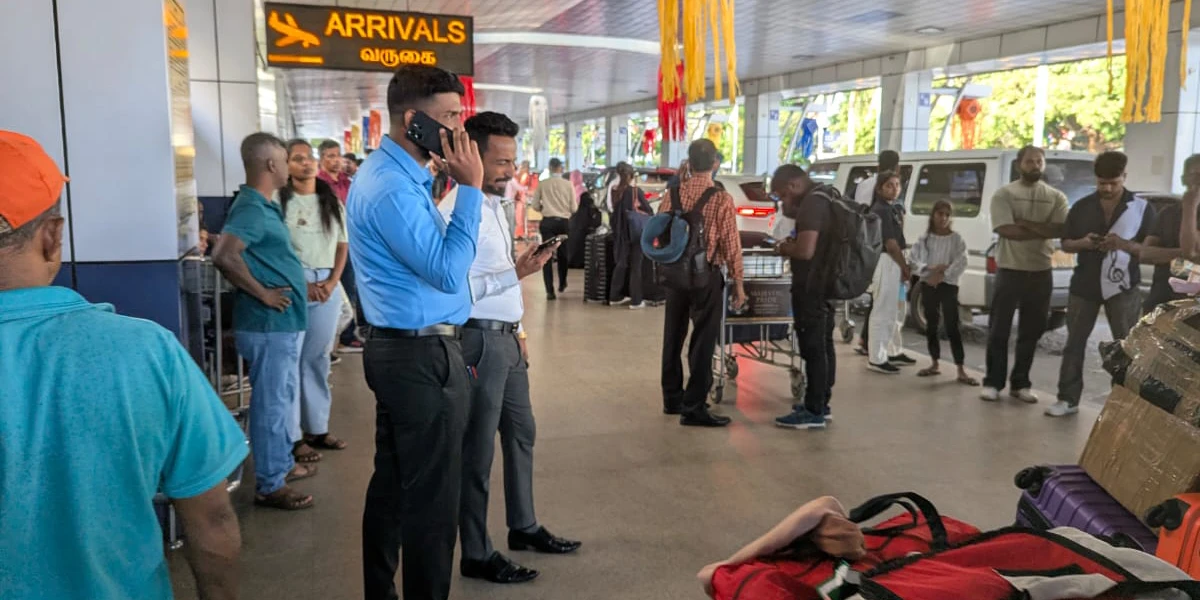
Bandaranaike International Airport (BIA) is located in Katunayake, approximately 35 kilometres north of central Colombo. The airport serves all international flights to and from Sri Lanka and is the arrival point for the vast majority of international visitors. Transport options from the airport to Colombo and onward destinations include the following.
The Colombo Airport Expressway train service connects Katunayake Expressway station (adjacent to the airport) to Colombo Fort station in approximately 40 minutes, operating multiple services daily. This is the fastest and most cost-effective option for reaching central Colombo from the airport. The fare is approximately 100 Sri Lankan Rupees for a standard seat.
Pre-booked private transfers from the airport to Colombo cost approximately $20 to $30 USD and take 45 minutes to 1.5 hours depending on traffic. To Kandy, a private airport transfer costs approximately $60 to $80 and takes 2.5 to 3 hours. Tira Travels includes airport transfers in all tour packages, with your driver meeting you in the arrivals hall upon landing.
Metered taxis are available outside the arrivals hall and are regulated by the Airport and Aviation Authority of Sri Lanka. The metered fare from the airport to central Colombo is approximately 2,500 to 3,500 Sri Lankan Rupees. Unmetered taxi touts operate outside the terminal and should be avoided in favour of the official metered taxi rank or a pre-booked transfer.
Getting Around Colombo
Within Colombo, the most practical transport options for visitors are metered tuk-tuks, the PickMe app (the local equivalent of Uber), and metered radio taxis. The Colombo commuter rail network also connects the Fort station to suburban areas but is primarily used by commuters rather than tourists. Colombo traffic is heavily congested during morning (7am to 9am) and evening (5pm to 8pm) peak hours, and journey times by road can double during these periods. The central attractions of Colombo including Gangaramaya Temple, Galle Face Green, the Dutch Hospital, and the Pettah market district are all within a 5-kilometre radius of each other and can be connected efficiently by tuk-tuk.
Getting to the Cultural Triangle
The Cultural Triangle encompassing Sigiriya, Dambulla, Polonnaruwa, and Anuradhapura is not well served by train and is most practically visited by private vehicle. The nearest railway station to Sigiriya is Habarana, 12 kilometres away, served by trains on the Colombo to Batticaloa line. From Habarana, onward transport to Sigiriya requires a tuk-tuk or taxi. For most visitors, a private vehicle with a driver is the recommended option for the Cultural Triangle, as the sites are spread across a large area and require flexible transport between them. Our Hill Country Adventure tour covers the key Cultural Triangle sites with private transport throughout.
Domestic Flights in Sri Lanka
Sri Lanka has limited domestic flight options operated primarily by Cinnamon Air and FitsAir, connecting Colombo’s Ratmalana Airport to Batticaloa, Jaffna, Trincomalee, and the Maldives. Domestic flights are significantly more expensive than ground transport and cover routes that are also accessible by road or rail in under 5 hours. For most visitors on a standard Sri Lanka itinerary covering Colombo, Kandy, Ella, and Galle, domestic flights are not necessary. Domestic flights are most useful for visitors combining Sri Lanka with the Maldives or for those with very limited time needing to reach Jaffna or the far north without a full-day road journey.
Hiring a Bicycle or Motorbike
Bicycle hire is available in several tourist areas including Ella, Kandy, Galle Fort, and Polonnaruwa. In Polonnaruwa, cycling between the ancient monuments of the UNESCO-listed city is the standard way to explore the site, with bicycle hire available at the main entrance for approximately 300 to 500 Sri Lankan Rupees per day. In Ella, bicycles can be hired for exploring the local roads and tea estate paths. Motorbike hire is available in some tourist areas but requires an international driving licence valid for motorcycles. Road conditions in Sri Lanka vary significantly and motorbiking on unfamiliar mountain roads carries additional risk for visitors unfamiliar with left-hand traffic.
Practical Transport Tips for Sri Lanka
Sri Lanka drives on the left side of the road, following the British colonial convention. Road conditions range from well-maintained expressways to narrow, potholed mountain roads. Journey time estimates on Google Maps consistently underestimate actual travel times in Sri Lanka, particularly for mountain routes and during peak traffic periods. Always add 30 to 50 percent to estimated journey times when planning a daily schedule. The PickMe app is the most reliable way to book tuk-tuks and taxis in urban areas and provides a fixed fare before the journey. For rural and tourist areas, pre-booking transport through your hotel or tour operator is more reliable than hailing vehicles on the street.
0 Comment