

Best Time to Visit Sri Lanka: Complete Seasonal Guide
Sri Lanka is a year-round destination, but the best time to visit depends on which region of the island you are planning to explore. Sri Lanka has two monsoon seasons driven by the Indian Ocean weather system: the southwest monsoon (Yala season) running from May to September, and the northeast monsoon (Maha season) running from October to January. These two monsoons affect different parts of the island at different times, meaning there is always a dry region somewhere in Sri Lanka regardless of the month. Understanding the monsoon pattern is the key to planning the right itinerary for your travel dates. Browse our Sri Lanka tour packages to find the right itinerary for your travel season.
Sri Lanka’s Two Monsoon Seasons
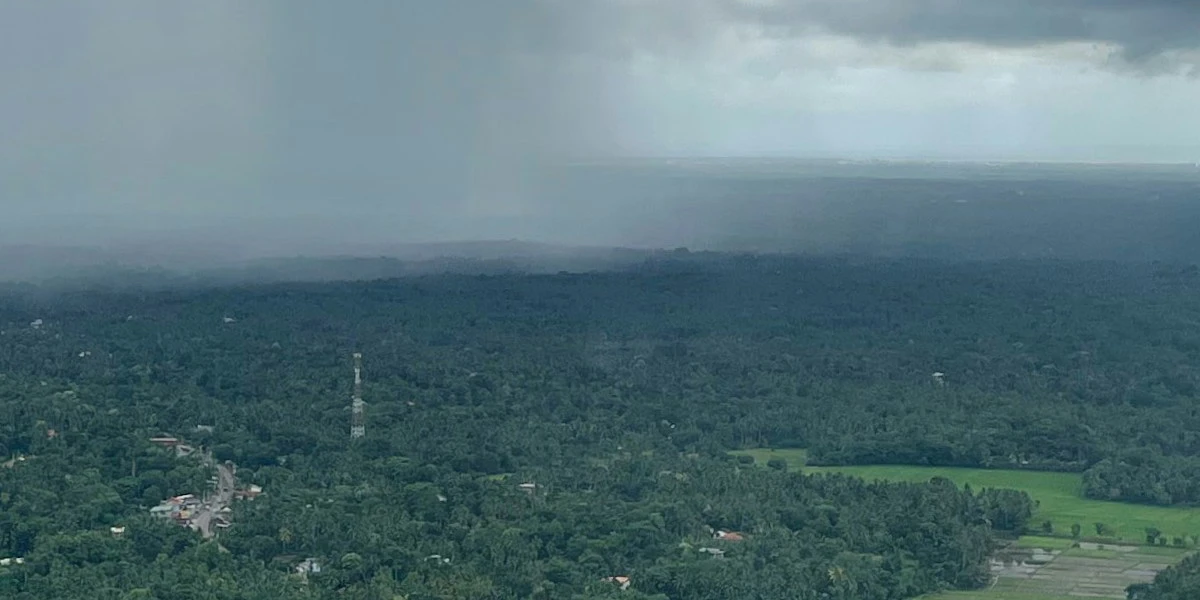
The southwest monsoon (locally called Yala) arrives in Sri Lanka between late April and early May and affects the western coast, southern coast, and central highlands until September. During this period, destinations including Colombo, Galle, Mirissa, Bentota, Kandy, Nuwara Eliya, and Ella experience increased rainfall, particularly in the afternoons and evenings. The northeast monsoon (locally called Maha) arrives between October and November and affects the northern and eastern regions of the island including Trincomalee, Arugam Bay, Jaffna, and Polonnaruwa until January or February.
The inter-monsoon periods in March to April and September to October bring unpredictable weather to most parts of the island, with short rain showers possible anywhere. Despite this, Sri Lanka’s tropical climate means that even during the monsoon months, rainfall is typically concentrated in short afternoon bursts rather than all-day events, and most sightseeing and touring activities can continue without significant disruption.
Best Time to Visit the West and South Coast
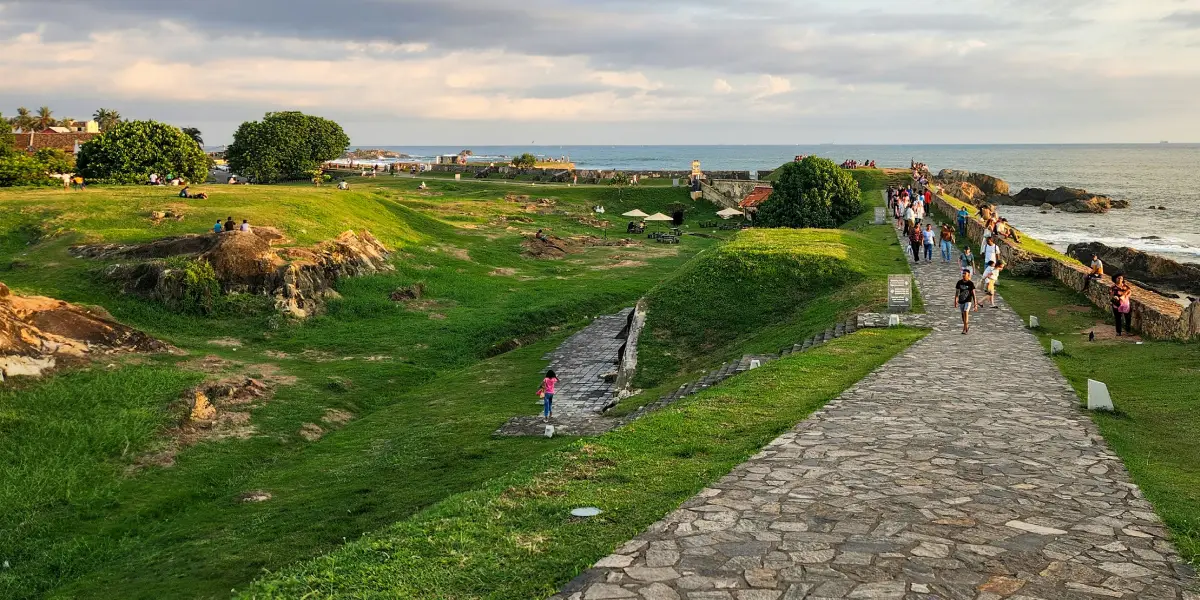
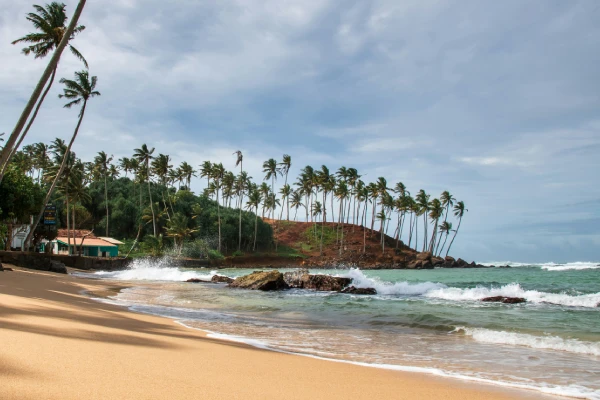
The western coast (Negombo, Colombo, Bentota) and the southern coast (Galle, Unawatuna, Mirissa, Tangalle) are best visited between November and April, when the northeast monsoon brings dry, sunny conditions to these regions. December, January, and February are the peak months for the southwest coast, with average daily temperatures of 28 to 32 degrees Celsius, low humidity, calm seas suitable for swimming and water sports, and maximum sunshine hours. The Galle Literary Festival takes place each January within Galle Fort, making January one of the most culturally active months for the southern coast.
From May to September, the southwest monsoon brings significant rainfall and rough seas to the western and southern coasts, with swells making some beaches unsuitable for swimming. However, the surf conditions during this period attract experienced surfers to breaks at Hikkaduwa, Midigama, and Weligama on the south coast. Accommodation rates along the south coast are generally lower during the monsoon months, making May to September a more affordable time to visit Galle and Mirissa for travellers who do not prioritise beach conditions. Our Sri Lanka Heritage and Coast tour combines Galle Fort with Kandy and Bentota and operates year-round.
Best Time to Visit the East Coast
The east coast of Sri Lanka including Trincomalee, Nilaveli, Pasikuda, and Arugam Bay is best visited between May and September, when the southwest monsoon that affects the west coast brings dry conditions to the eastern regions. This is the opposite season to the west coast, making Sri Lanka a destination where it is possible to find sunshine somewhere on the island at any time of year. Trincomalee’s beaches and Pigeon Island National Park are at their best between April and September, with calm turquoise waters and excellent visibility for snorkelling. Our Ramayana Trail of Sri Lanka tour includes Trincomalee and is best operated between April and September when the east coast is at its driest.
The northeast monsoon affects the east coast between October and February, bringing rough seas and heavy rainfall to Trincomalee and Arugam Bay. Most tourist accommodation on the east coast closes during this period as visitor numbers drop significantly.
Best Time to Visit the Hill Country
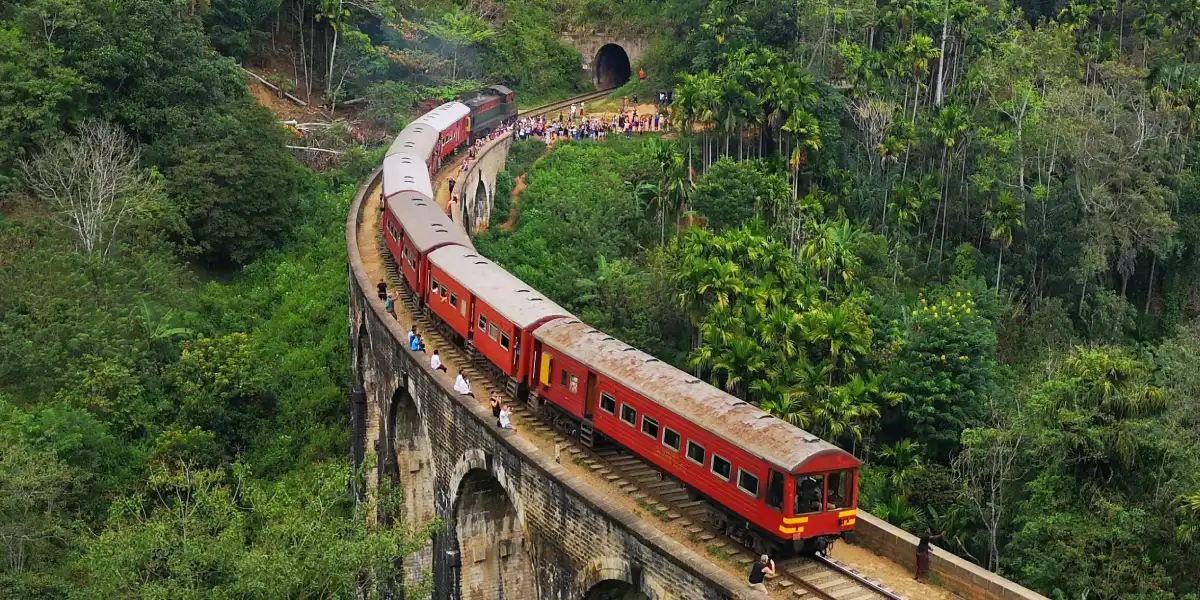
The hill country region including Kandy, Nuwara Eliya, Ella, and Haputale can be visited year-round, as the central highlands receive rainfall from both monsoons and rarely experience an extended dry period. The clearest and most comfortable months in the hill country are January to March, when temperatures in Nuwara Eliya (elevation 1,868 metres) drop to 10 to 14 degrees Celsius at night and morning mist creates dramatic views across the highland valleys. The Nine Arch Bridge in Ella and the viewpoints of Little Adam’s Peak are at their most photogenic in the early morning hours of January, February, and March, before cloud builds in the valley during the afternoon.
The tea harvest in the Uva region (Ella, Haputale, Bandarawela) peaks between July and September, when the northeast wind creates dry stress conditions that concentrate flavour compounds in the tea leaf. Visiting the hill country during this period allows travellers to observe active tea picking and factory processing at maximum capacity. Our Hill Country Adventure tour (3 nights 4 days) covers Kandy, Nuwara Eliya, and Ella and operates year-round from $720.
Best Time to Visit the Cultural Triangle
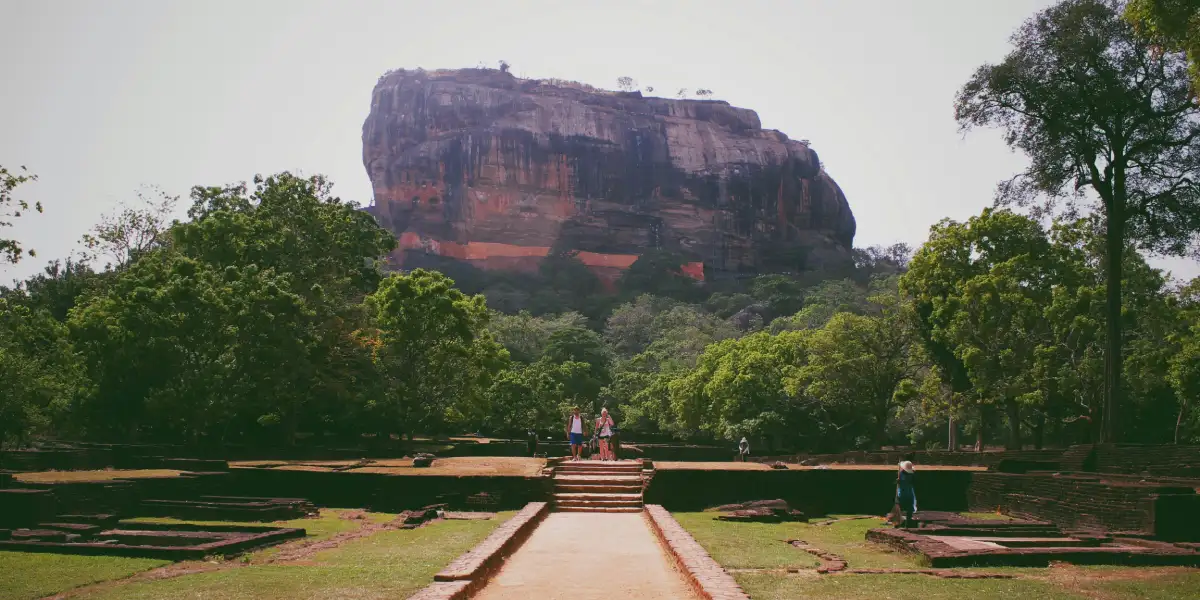
The Cultural Triangle region including Sigiriya, Dambulla, Anuradhapura, and Polonnaruwa is located in Sri Lanka’s dry zone and receives most of its rainfall from the northeast monsoon between October and January. The driest and most comfortable months for visiting the Cultural Triangle are February to September. Visiting Sigiriya Rock Fortress between January and April offers the clearest summit views and the most comfortable climbing conditions, as the granite rock surface becomes dangerously slippery during wet weather.
Anuradhapura is most atmospheric during the Poson Poya festival in June, when hundreds of thousands of Buddhist pilgrims gather at the Sri Maha Bodhi and the Ruwanwelisaya stupa to commemorate the introduction of Buddhism to Sri Lanka. The Esala Perahera festival in Kandy takes place each July or August and is the most significant annual cultural event in Sri Lanka, with the exact dates varying according to the lunar calendar each year. Our Best of Sri Lanka tour (5 nights 6 days) covers Sigiriya, Dambulla, and the Cultural Triangle combined with Ella and Galle from $1,120.
Best Time for Whale Watching in Mirissa
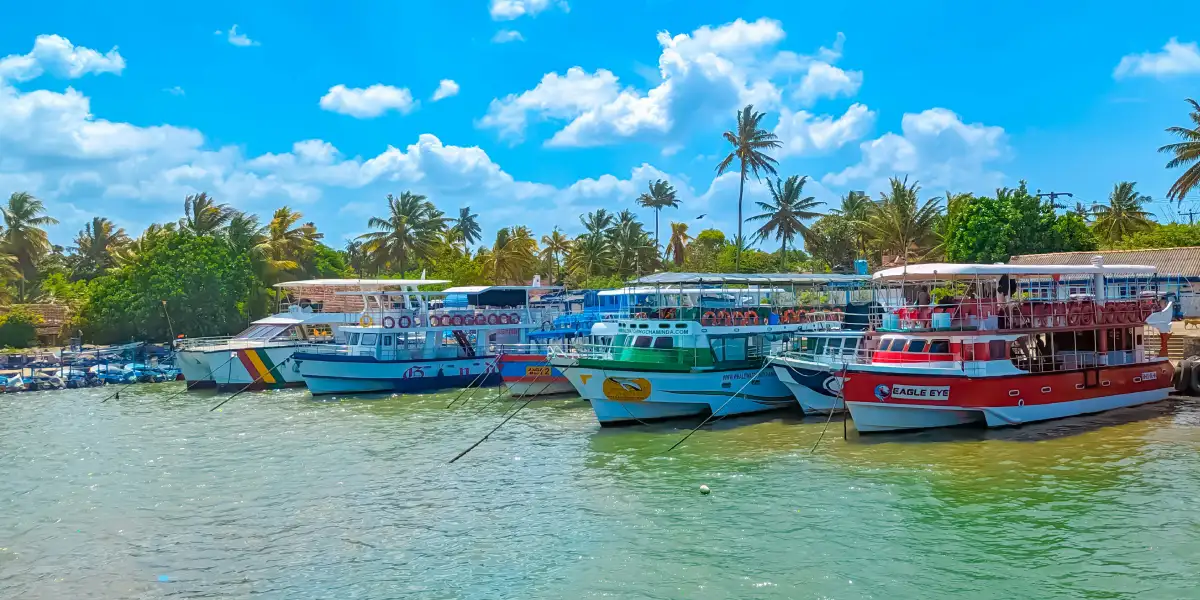
Blue whale watching in Mirissa operates between November and April, with the peak season running from December to March. The whale watching excursions depart from Mirissa harbour at approximately 6:30am and operate in the Dondra Head channel approximately 15 kilometres offshore, where the continental shelf drops steeply and blue whales feed close to the surface. Blue whales (Balaenoptera musculus) spotted in this channel are among the largest individuals recorded globally, with lengths reaching 29 metres. December, January, and February offer the highest encounter rates, with blue whale sightings reported on over 90 percent of excursions during these months. Our Classic Sri Lanka tour (11 nights 12 days) includes two days in Mirissa with a whale watching excursion between November and April, starting from $3,700.
Best Time for Wildlife Safaris
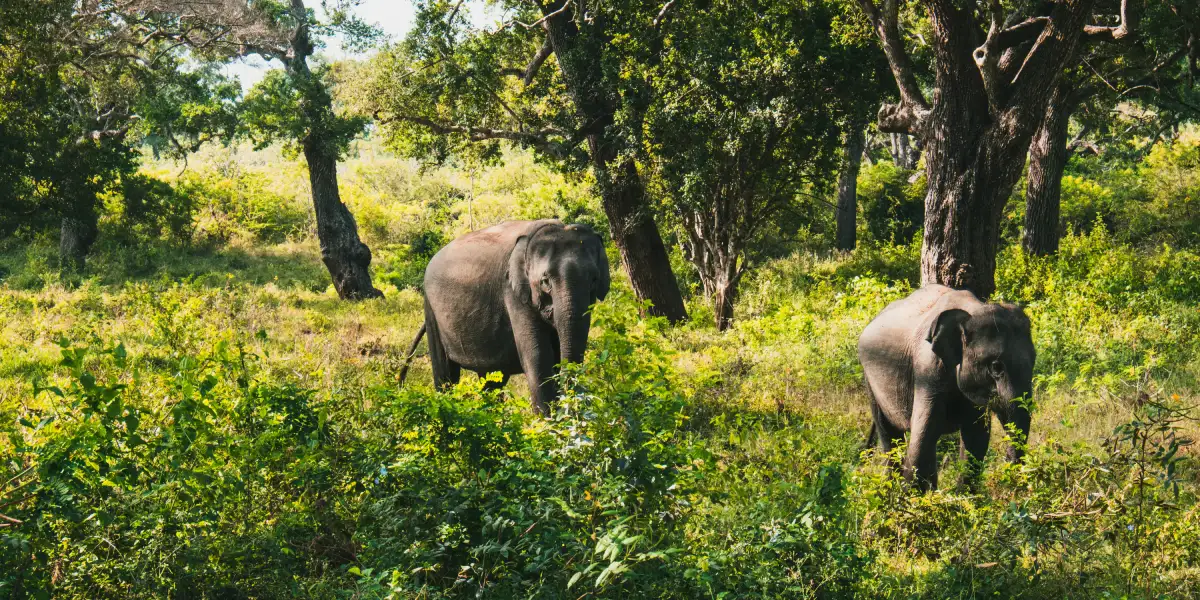
Yala National Park in the Southern Province is best visited between February and July, when the dry season reduces vegetation cover and concentrates wildlife around the remaining water sources, making leopard sightings more frequent. Yala Block 1 has the highest recorded density of leopards of any protected area in the world, with an estimated 35 to 40 leopards resident in the block. The park partially closes between September and October for the annual rest period. Udawalawe National Park is a year-round destination for elephant sightings, with a resident population of approximately 700 Sri Lankan elephants. Minneriya National Park near Dambulla is best visited between July and October for “The Gathering,” when herds of up to 300 elephants congregate around the ancient reservoir. Our Paradise of Sri Lanka tour includes a Minneriya National Park safari and operates year-round from $910.
Best Time for Surfing
Sri Lanka has two distinct surfing seasons on opposite coasts, allowing year-round surf travel to the island. The south and west coasts including Hikkaduwa, Midigama, and Weligama near Galle are best from November to April, when the northeast monsoon creates offshore winds and clean swell conditions. The east coast, particularly Arugam Bay’s main point break, operates its primary season from April to October. Arugam Bay is ranked among the top 10 surf destinations in Asia and consistently attracts international longboard and shortboard surfers during the April to October season.
Sri Lanka Month by Month
January is the peak tourist month across Sri Lanka, with dry conditions on the west and south coasts, clear skies in the hill country, and the Galle Literary Festival taking place in Galle Fort. February and March offer similar conditions with slightly lower visitor numbers and accommodation rates beginning to decrease. April brings the Sinhala and Tamil New Year celebrations on 13 and 14 April, the most important cultural festival in the Sri Lankan calendar. May to September is the southwest monsoon season on the west and south coasts, the best period for the east coast and Cultural Triangle, and the peak safari season at Yala. The Esala Perahera festival in Kandy takes place each July or August. October is the inter-monsoon period with unpredictable weather across most of the island. November and December bring the northeast monsoon, drying out the west and south coasts and opening the whale watching season at Mirissa.
Plan Your Sri Lanka Tour by Season
Tira Travels operates all six Sri Lanka tour packages year-round, with itinerary routing adjusted to match the optimal conditions for your travel season. The Hill Country Adventure (3 nights 4 days, from $720) and the Classic Sri Lanka tour (11 nights 12 days, from $3,700) are particularly well-suited to the November to April peak season when both the hill country and the southern coast are at their best simultaneously. The Ramayana Trail of Sri Lanka (6 nights 7 days, from $1,190) is best operated between April and September when Trincomalee is at its driest. Contact our team to discuss the best package and routing for your specific travel dates. You can also visit our About Us page to learn more about our team and how we plan every tour.
0 Comment